OpenAI CEO Sam Altman is once again arguing that ChatGPT can take on part of the parenting routine — and the reaction shows how much skepticism still surrounds that idea.
What Altman proposed
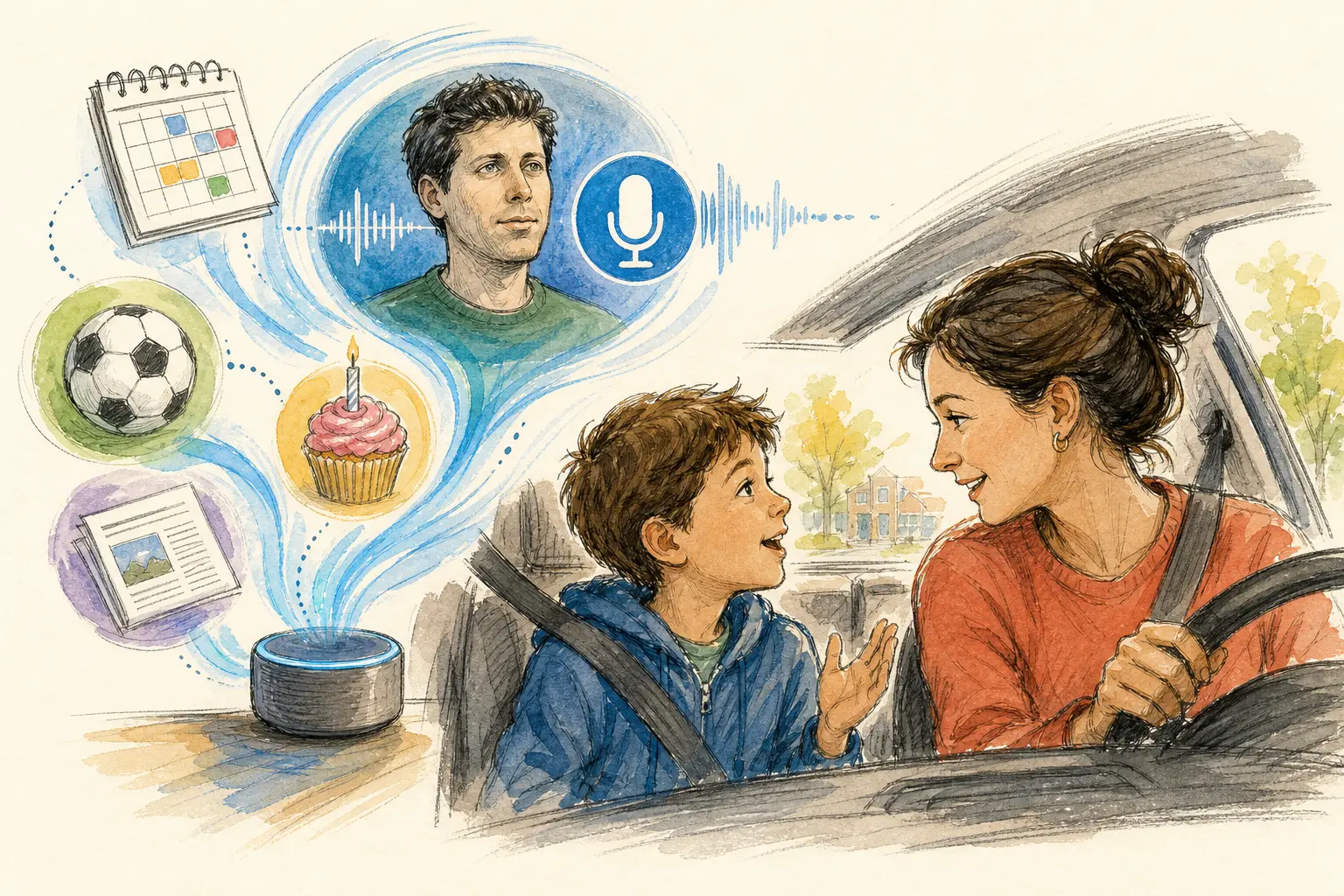
On Friday, Altman described what he called a “cool use case” for ChatGPT Work, OpenAI’s new product aimed at workplace tasks. He said parents could connect family calendars and add details about their children’s interests, then have the system generate a podcast each morning for the school run.
In his example, that podcast could mention a child’s soccer game later in the day, an upcoming birthday, and a few news updates.
The pitch is simple: let artificial intelligence, or AI, prepare a personalized audio briefing so families can fill commute time with machine-generated summaries instead of building the morning conversation themselves.
Why the reaction was so sharp
The response online was immediate and mocking. One widely shared reply from Alex Hirsch, creator of Gravity Falls, cut to the central criticism: “What if you just talked to your children?”
That response spread more widely than Altman’s original post. As of Saturday morning, Altman’s post had been reposted around 300 times and liked about 9,600 times, while Hirsch’s reply had been reposted about 9,000 times and liked roughly 122,000 times.
The exchange highlights a broader unease with AI products that promise to manage everyday human interactions. To critics, the idea seems less like convenience and more like outsourcing basic family connection.
A familiar theme in tech
Altman has made similar comments before. In a previous appearance on The Tonight Show with Jimmy Fallon, he said he could not imagine raising a newborn without ChatGPT, while also noting that people had done so for a long time without it.
He is not the only tech executive to frame AI as a substitute for parts of daily life. Last year, Microsoft CEO Satya Nadella said he had stopped listening to podcasts during his morning drive and instead asked an AI chatbot about them.
OpenAI’s family strategy meets safety concerns
OpenAI appears to be paying close attention to parents as a user group. The company recently posted a job listing for a product manager with experience building trust-sensitive consumer experiences for parents and families.
Competitors are exploring similar territory. Meta, for example, is testing an AI-powered app that tells bedtime stories.
At the same time, OpenAI is under pressure over safety. The company has added parental safety features, but it also faces multiple lawsuits from parents and families who allege that ChatGPT contributed to delusions and suicides in loved ones. OpenAI says it is “continuously improving how our models respond in sensitive interactions.”
For now, the debate around Altman’s pitch is less about whether AI can generate a useful morning briefing. It is about where people want to draw the line between helpful automation and the parts of parenting that still feel too human to delegate.